
Taxi Dance
2013, 2014

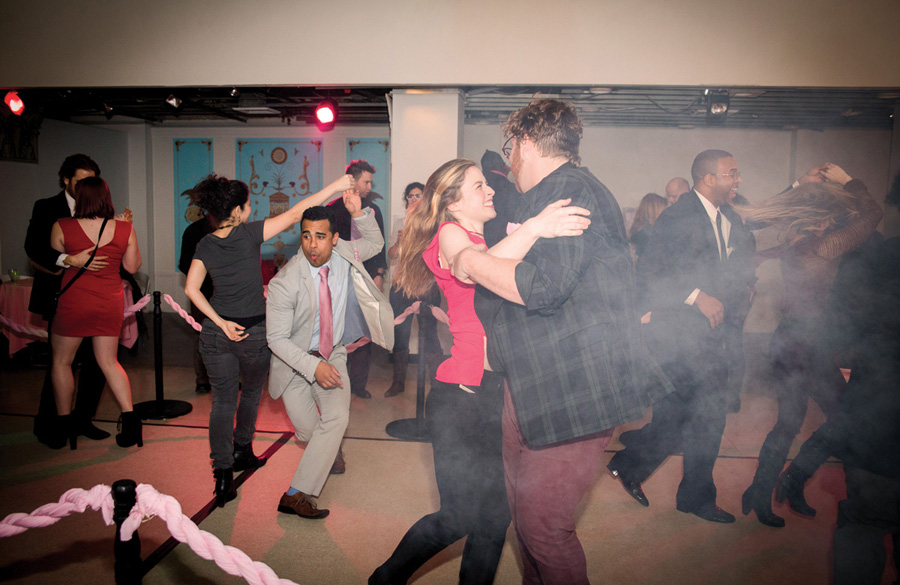
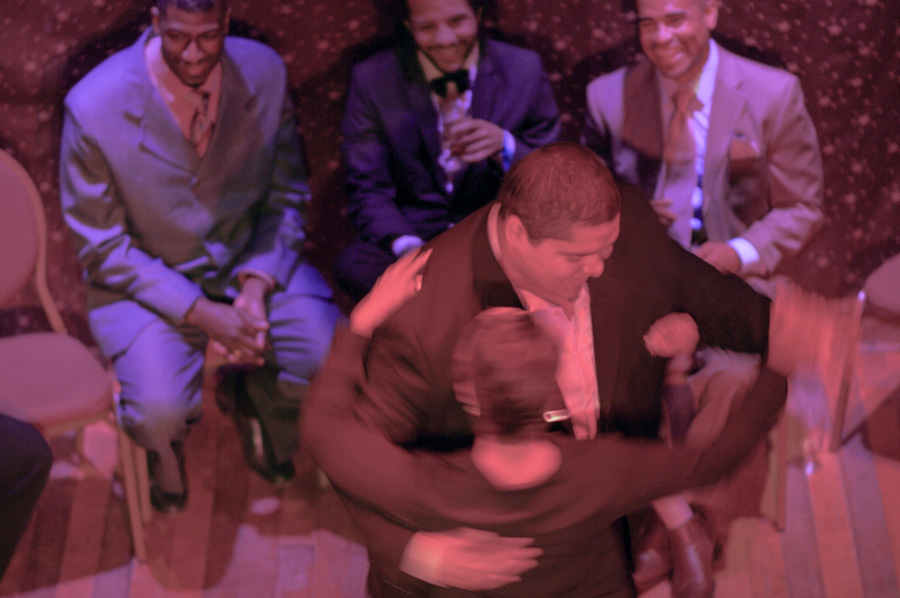
Dominant in Queens among Latin American neighborhoods and known as mesera clubs where men are provided the opportunity to pay for a female dance partner at $2 a song, this performance is a recreation of the Taxi Dance environment but with one important difference. In this production, the artist offered women the opportunity to pay for dances with a curated selection of men at $2 a song. The objective, then, of the Taxi Dance performances is to reverse the power dynamic at play and interrogate expectations of assumed gender roles.
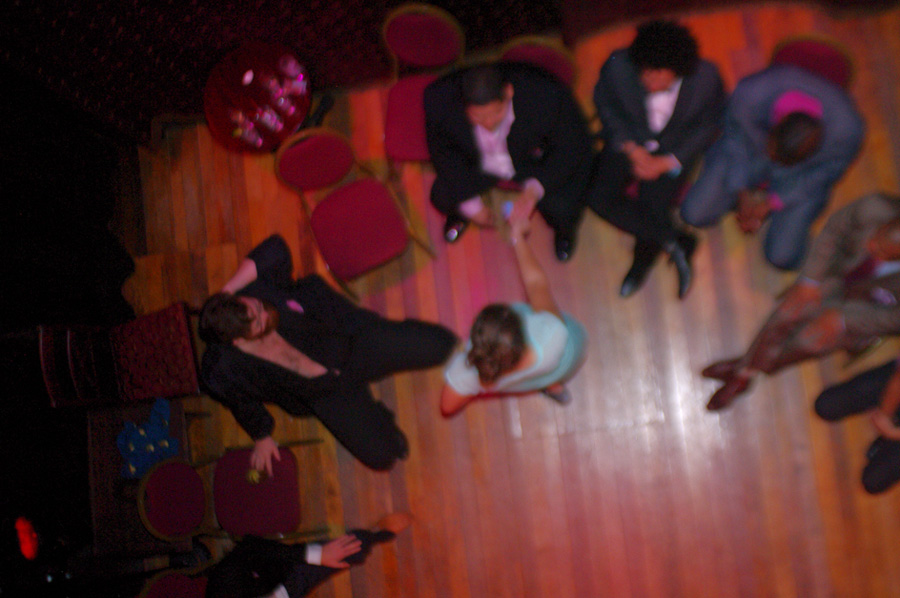
Traditionally, Mesera Clubs (Taxi Dances) offered a reaffirmation of cultural expectations surrounding manhood. But for these men, the Don Juan stereotype is something that regularly goes unfullfilled. There is a level of sincerity here—seeking companionship, however false, with what little money they have so that they may have the opportunity to exude machismo.”
Dominant in Queens among Latin American neighborhoods and known as mesera clubs where men are provided the opportunity to pay for a female dance partner at $2 a song, this performance is a recreation of the Taxi Dance environment but with one important difference. In this production, the artist offered women the opportunity to pay for dances with a curated selection of men at $2 a song. The objective, then, of the Taxi Dance performances is to reverse the power dynamic at play and interrogate expectations of assumed gender roles.
Traditionally, Mesera Clubs (Taxi Dances) offered a reaffirmation of cultural expectations surrounding manhood. But for these men, the Don Juan stereotype is something that regularly goes unfullfilled. There is a level of sincerity here—seeking companionship, however false, with what little money they have so that they may have the opportunity to exude machismo.”